Many people think endometriosis is simply a “bad period”, but it is actually a chronic disease that affects 1 in 10 women!
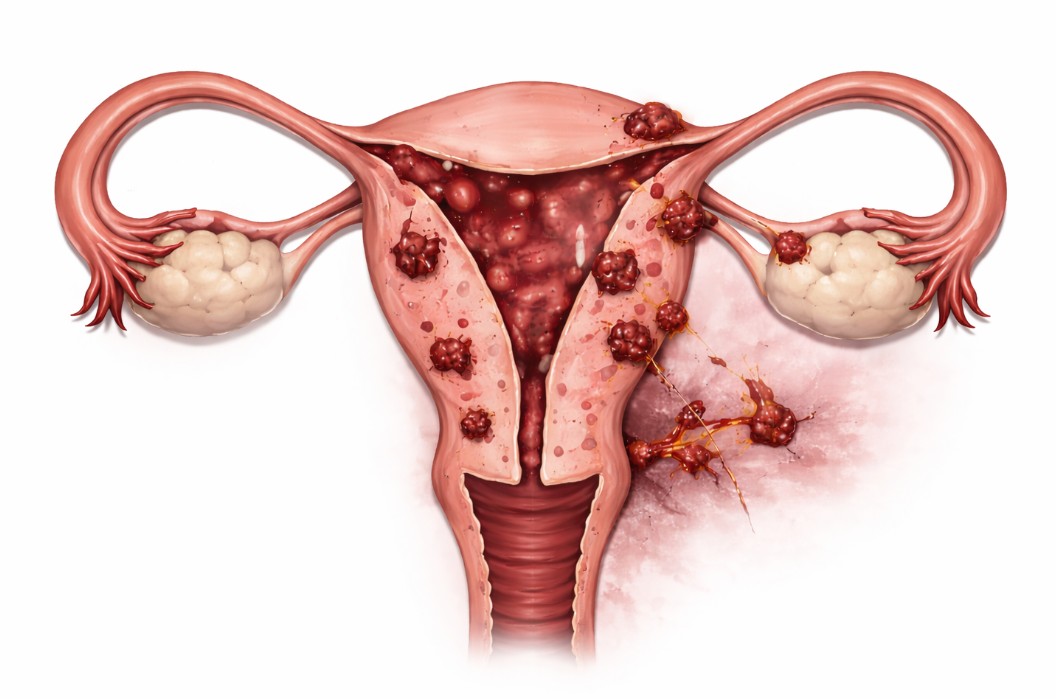
Endometriosis occurs when tissue similar to the lining of the uterus grows outside the uterus. These growths look like tiny little freckles, which can cause inflammation, pain and scarring throughout the body. While commonly found in the pelvic and digestive area, endometriosis can affect many areas of the body and cause a wide range of symptoms. Many people are surprised by how varied the symptoms can be. Endometriosis can cause severe period pain, heavy bleeding, chronic pain, fatigue, painful bowel movements, painful sex, bloating and even joint and digestive issues. Because symptoms vary so much, many people go years without a diagnosis and are often told it’s all “normal.”
As someone living with endometriosis, this issue is personal to me. My name is Emma Beaumont, and I got my first period at 11. From the beginning, my symptoms were dismissed as normal. At 12, I was prescribed birth control to manage symptoms, but it wasn’t until I was 15 that I finally had surgery and received confirmation that it was stage 3 endometriosis. My experience highlights that you are never too young to have endometriosis!
The biggest message I want to share is: severe period pain is NOT normal! If your pain is stopping you from going to school, hanging out with friends, playing sports, or concentrating in class, it is worth talking to a healthcare professional. Or even our fabulous school nurse, Margie! Now I do want to point out that feeling uncomfortable during a period is normal as your uterus contracts to shed its lining, but if that pain is leaving you curled up in bed, in tears, vomiting, missing school, or unable to take part in everyday activities, this should not be accepted as a normal part of life. You might wonder why this matters, boys, if you don’t have periods and may find this awkward. The truth is that endometriosis affects our whole community. It could affect your sister, friend, mum or future girlfriend. Understanding this condition helps us support the people around us and take women’s health more seriously.
Awareness matters because the sooner people recognise that their symptoms are not normal, the sooner they can seek support and advocate for themselves. Too many people spend years believing that the pain they experience is something they have to put up with. By being more open about endometriosis, we can help people understand the signs, encourage early diagnosis and create a community where people feel comfortable asking for help. This article is not just important for those living with endometriosis; it is important for EVERYONE! For many, endometriosis is an invisible illness. You cannot always see the pain, fatigue, or challenges someone is facing, which is why education and awareness are so important. The more we learn, the better equipped we are to support those around us and challenge the idea that suffering is normal.
I was told my symptoms were normal, but they weren’t. No young person should have to question whether their pain that is disrupting their life is “just a part of having a period.” If there is one thing I hope people take away from this article, it is this: listen to your body, trust your instincts and NEVER be afraid to ask for help.
By raising awareness today, we can help ensure that fewer people suffer alone tomorrow!!